


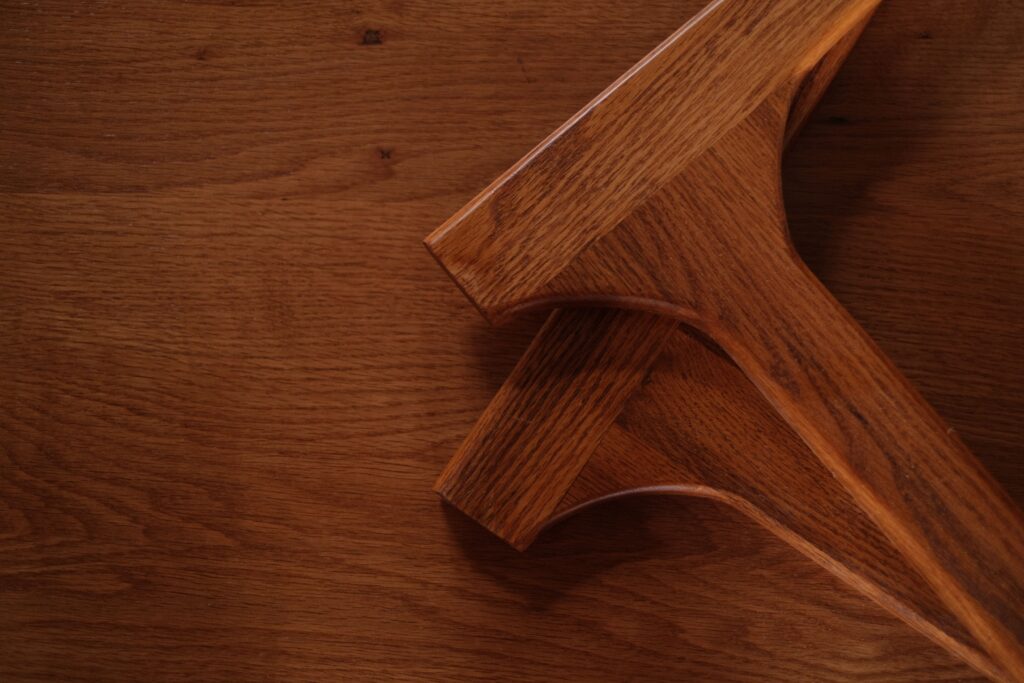
Homeowners usually discover wood polishing cost in Bangalore only after a door starts looking dull or a wardrobe shutter loses its shine. Wooden surfaces age quietly, so the change is gradual until one day the whole room reads tired. Polishing restores that finish for a fraction of what replacement costs. At My Home Services, we polish doors, wardrobes, furniture and staircases across South and East Bangalore with transparent per square foot pricing.
What Decides Wood Polishing Cost in Bangalore
Polishing is priced per square foot of surface area, and the polish type drives most of the difference. Melamine, PU, deco and duco all sit at different price points because the material cost and the number of coats vary considerably. Consequently, quotes for the same wardrobe can differ by three times depending on the system used.
Condition matters just as much. A surface with old peeling polish needs complete stripping and sanding before new coats go on, which adds labour. Additionally, intricate carved panels take far longer than flat shutters, therefore, they carry a higher rate per square foot.
Wood Polishing Cost in Bangalore by Polish Type
| Polish Type | Cost per Sq.Ft | Expected Life | Best Suited For |
|---|---|---|---|
| Melamine polish | ₹35 to ₹60 | 3 to 5 years | Wardrobes, indoor furniture |
| PU polish | ₹70 to ₹130 | 7 to 10 years | Main doors, high use surfaces |
| Deco or veneer polish | ₹60 to ₹110 | 5 to 8 years | Veneer panels, TV units |
| Duco paint finish | ₹90 to ₹160 | 8 to 10 years | Solid colour modern furniture |
A standard main door of roughly 40 sq.ft therefore costs between ₹1,400 with melamine and ₹5,200 with a full PU finish. Our wood polishing services cover every system, and we recommend the grade based on how the surface actually gets used.
PU or Melamine: Which One You Need
Melamine is the practical everyday choice. It dries fast, costs less, and gives a clean satin finish that suits wardrobes and bedroom furniture perfectly well. However, it scratches more easily and does not handle moisture particularly well.
PU polish forms a harder, thicker film that resists scratches, water and daily handling far better. Because it needs more coats and longer curing time between them, the labour cost is higher. For main doors, dining tables and anything touched several times a day, that extra spend pays back over the years.
Signs Your Wood Needs Repolishing
- Dull patches where the surface no longer reflects light evenly
- White rings or cloudy marks from water and hot vessels
- Polish flaking or peeling at edges and corners
- A rough, chalky feel when you run a hand across the surface
- Visible scratches that have reached the raw wood underneath
- Doors swelling or sticking during monsoon months
That last point matters most in Bangalore. Unsealed wood absorbs humidity, swells, and then shrinks again in summer, which eventually loosens joints and warps shutters permanently.
Why Bangalore Humidity Affects Wooden Surfaces
Long monsoon spells push moisture into any exposed wood grain. Polish acts as a sealed barrier, therefore, a well polished door stays dimensionally stable while an unpolished one swells and sticks every June. Balcony facing doors and window frames take the worst of it.
Bathroom doors deserve special attention, since they face constant humidity from inside as well. PU polish is the right answer there, because melamine simply does not hold up against repeated moisture exposure.
The Polishing Process Step by Step
Step 1: Strip old polish completely using chemical remover or machine sanding, depending on the surface.
Step 2: Sand progressively with finer grades until the grain feels smooth and even.
Step 3: Apply wood filler to fill grain pores and any minor dents.
Step 4: Apply sealer coats and sand lightly between each one.
Step 5: Apply the finish coats in the chosen sheen, matte, satin or high gloss.
Step 6: Allow full curing before normal use, usually 24 to 48 hours.
Shortcuts at the sanding stage are the most common reason a polish job looks patchy. Because every flaw underneath shows through the final coat, preparation decides the result here as much as it does with paint.
Matching Polish to Your Paint and Interiors
Wood and wall finishes should agree with each other. Warm honey and teak tones pair well with neutral off whites and beiges. Darker walnut and wenge shades suit cooler greys, however, they can make a compact room feel heavier.
Plan polishing alongside your repaint rather than separately, since both jobs share the same dust sheeting and site setup. Our guide to the best paint for interior walls explains which wall finishes work with which wood tones, and full project pricing is covered in our guide to house painting cost in Bangalore.
Caring for Polished Wood
Dust weekly with a dry microfibre cloth rather than a wet one. Wipe spills immediately, because standing water leaves permanent white rings even on PU surfaces. Additionally, use coasters and mats on dining tables, since heat marks are harder to remove than scratches.
Avoid ammonia based cleaners entirely. Mild soap solution on a barely damp cloth handles routine cleaning, and a quality wood polish applied twice a year keeps the sheen alive between full repolishing cycles. We use products from established brands including Asian Paints and Pidilite.
Conclusion
Wood polishing cost in Bangalore runs from ₹35 to ₹160 per square foot, and the right figure depends on the polish type, the surface condition and how much handling the piece takes daily. Melamine suits wardrobes and general furniture, PU belongs on doors and anything exposed to moisture, and proper sanding decides whether either one looks good. Polishing costs a fraction of replacing solid wood, so it is almost always the smarter choice. With 11 years of finishing work across South and East Bangalore, My Home Services restores wood properly. Book a free site inspection for a written quote.